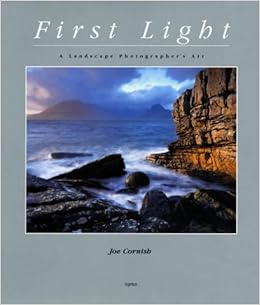
 The third product I am researching falls under photography, exploring the other side to the poetry within my book. Photographer Joe Cornish has a book under the title 'first light' describing the thoughts that go into taking a photo beforehand, along with the aesthetical qualities that the end photograph has. The subtitle being 'A landscape photographer's art' making the genre/ type of photography clear to the audience. The response towards the book has been positive, due to the production of other and further books, such as 'Gallery' and 'This land' Though I could not access, from the online research conducted I have seen that the composition of the pages explore a layout I would like to conduct, with photographs following onto the next page and small pieces of writing. In terms of content in First Light, the photography is aesthetic and high in vibrance, and the writing is insightful. This caters for said target audience, this being aspiring photographers, improving or beginning specifically in landscape photography, for example.
Layout wise, the cover itself seems contrasted to what's within the book. The monochrome grey background contrasts with the saturated foreground image, along with contrasting the photos within the book. On initial sight, the book does not look intriguing. The lack of consistency in texts also causing this result, the cover does not reflect the excitement or adventure landscape photography can have. In terms of front cover, I will not be taking inspiration from this book.

The product has been advertised on the photographers website and the photographs are visible in his gallery collection. Rather than the actual product advertised, Joe Cornish's photography in general is mentioned in places such as photography articles and information sites Britain's best photographers, this leading to his website where collections of books including First light are advertised / available. The target audience possibly researching known photographers where Cornish would be mentioned, though there is not much advertising on social media to younger audiences. The company who have published the book are aurum press, and the book has been forwarded by Charlie Waite. Aurum press /Quatro knows themselves having Facebook, Twitter, Youtube and Pinterest pages. The publishing company specialises in entertainment, sports, travel and unique books, along with the ability to have books translated in various languages, making their reach worldwide.
Finding where the book has been advertised has been difficult on the internet though the stated names are in the acknowledgements. The book has been processed and printed, issues are similar to the previous case studies, this being copyright and reproducing of material.


No comments:
Post a Comment